

The Importance of Fixed Gas Detector Systems for Safety in Oil & Gas Industries
Safety is a top priority in high-risk industries such as oil & gas, petrochemicals, and manufacturing. One of the most critical hazards in these environments is the presence of toxic or combustible gases.
A Fixed Gas Detector System (FGDS) plays a vital role in detecting gas leaks early, preventing accidents, and ensuring a safe working environment. This article explores the importance, functions, and benefits of fixed gas detection systems in industrial operations
What Is a Fixed Gas Detector System?
A Fixed Gas Detector System (FGDS) is a permanently installed safety system designed to continuously monitor the presence of hazardous gases in a specific area.
Unlike portable detectors, fixed systems provide 24/7 real-time monitoring and are integrated into broader safety and automation systems.
Main Components of FGDS
- Gas Sensors/Detectors
Detect specific gases such as methane (CH₄), hydrogen sulfide (H₂S), carbon monoxide (CO), and oxygen (O₂). - Control Panel / Controller
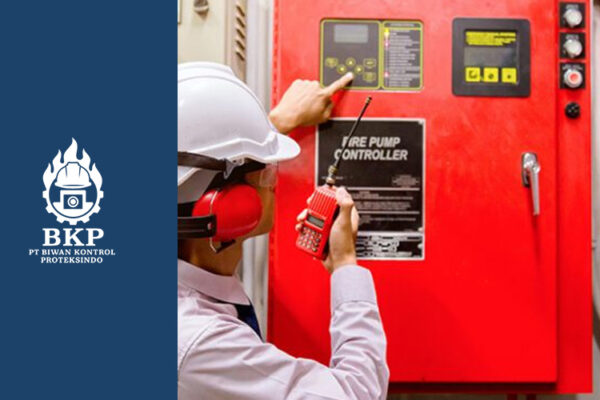
Processes signals from detectors and triggers alarms when thresholds are exceeded. - Alarm Systems
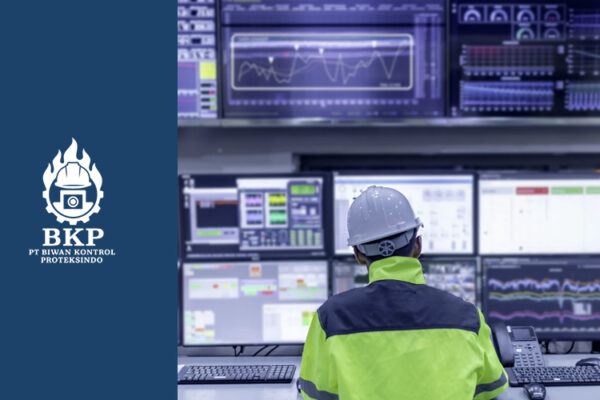
Includes audible and visual alerts to warn personnel. - Integration with SCADA or Fire & Gas Systems
Enables centralized monitoring and automated responses.
Why Gas Detection Is Critical in Oil & Gas Industries
1. Preventing Explosions and Fires
Flammable gases can ignite even at low concentrations. Early detection significantly reduces the risk of catastrophic incidents.
2. Protecting Human Life
Toxic gases like H₂S are deadly even in small amounts. A gas detection system ensures immediate warning and evacuation.
3. Regulatory Compliance
Industrial operations must comply with safety standards and regulations. FGDS helps meet these requirements.
4. Minimizing Operational Downtime
Undetected leaks can lead to shutdowns. Early detection ensures faster response and reduced production loss.
Types of Gases Commonly Detected
Combustible Gases
- Methane (CH₄)
- Propane (C₃H₈)
Toxic Gases
- Hydrogen Sulfide (H₂S)
- Carbon Monoxide (CO)
Oxygen Monitoring
- Detects oxygen deficiency or enrichment in confined spaces
Benefits of Fixed Gas Detector Systems
1. Continuous Monitoring (24/7)
Unlike manual inspections, FGDS operates non-stop to ensure constant safety.
2. Early Leak Detection
Immediate alerts allow quick response before conditions become dangerous.
3. Integration with Automation Systems
FGDS can be integrated with:
- SCADA systems
- Fire Alarm & Suppression systems
- Emergency shutdown systems (ESD)
4. Increased Workplace Safety Culture
Promotes awareness and proactive safety management.
FGDS Implementation in Industrial Environments
1. Oil & Gas Facilities
- Offshore platforms
- Refineries
- Gas processing plants
2. Petrochemical Plants
- Chemical storage areas
- Processing units
3. Manufacturing Facilities
- Areas with gas usage or storage
- Confined spaces
Key Considerations for Installing FGDS
1. Proper Sensor Placement
Strategic placement is crucial to ensure accurate detection.
2. System Integration
Ensure compatibility with existing automation and safety systems.
3. Calibration and Maintenance
Regular calibration is required to maintain accuracy and reliability.
4. Choosing the Right Technology
Different sensors are used depending on gas type:
- Infrared (IR)
- Electrochemical
- Catalytic bead
Why Professional Engineering and Integration Matter
Installing a gas detection system is not just about hardware—it requires proper engineering design, system integration, and commissioning.
Working with an experienced engineering and system integration company ensures:
- Accurate system design
- Compliance with safety standards
- Reliable long-term operation
- Efficient maintenance and support
A Fixed Gas Detector System is an essential safety solution for industries dealing with hazardous gases. It provides continuous monitoring, early detection, and integration with broader safety systems to prevent accidents and protect both personnel and assets.
In high-risk industries like oil & gas, investing in a reliable FGDS is not just a regulatory requirement—it is a critical component of operational safety and business continuity.